
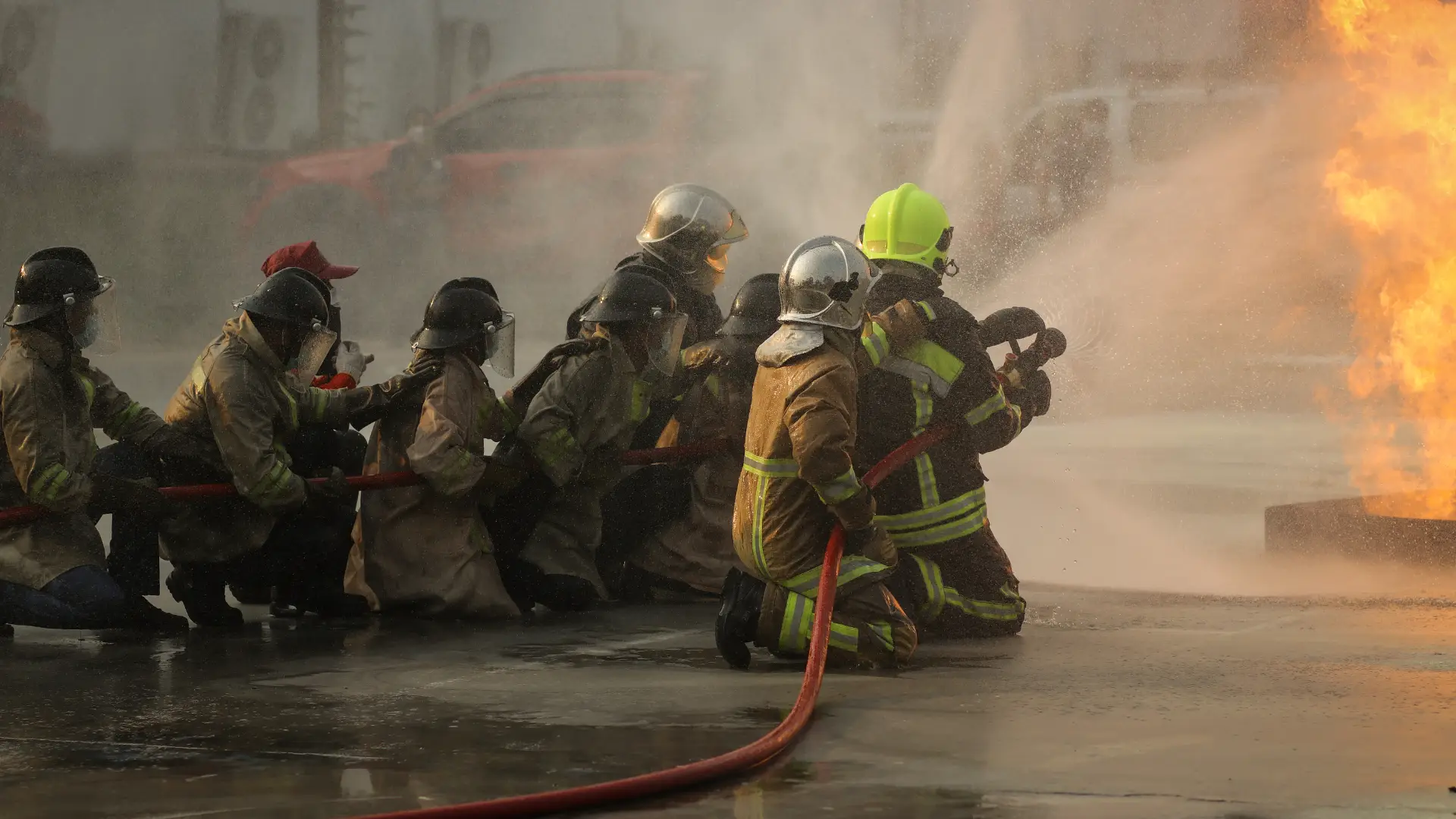






Fire and Smoke Damage Restoration in Arlington, VA
A house fire can leave very different types of damage throughout the same home. One room may have burned materials and heavy soot, while a nearby hallway carries smoke odor and a room below has wet drywall or flooring from the water used to extinguish the fire. Because those effects do not always stop at the edge of the burned area, restoration often involves understanding how smoke, residue, moisture, and heat affected the surrounding spaces as well.
Spartan Emergency Water Removal provides 24/7 fire and smoke damage restoration throughout Arlington, Virginia. Since 2012, our team has helped homeowners address fire, smoke, soot, water damage, affected belongings, and repairs after a loss. The room where the fire started may require the most obvious work, but nearby rooms, lower levels, and adjoining spaces can also need attention even when flames never reached them.
How Smoke, Soot, and Water Can Reach Other Parts of the Home
Fire-related damage does not always remain confined to the burned area. Smoke can travel through open doorways, hallways, stairwells, and other connected spaces before the fire is extinguished, while soot may settle on walls, ceilings, furniture, and other surfaces away from the heaviest damage. Water used during firefighting can move in a different direction, passing through floors, ceilings, wall cavities, or other openings into areas below.
A fire and smoke damage restoration plan should account for those secondary effects rather than focusing only on materials that visibly burned. One room may need soot cleaning, another may require drying, and damaged materials elsewhere may need to be removed before repairs can begin. Looking at the home as a connected space helps reveal restoration needs that are easy to miss if attention stays only on the room of origin.
That can be especially relevant in Arlington, where detached homes are mixed with townhomes, condominiums, apartments, and other attached residences. Shared walls, floors, ceilings, hallways, and building systems can affect how smoke, odor, soot, or water moves and which areas need to be evaluated. In condos and other managed properties, cleanup may also require communication with a property manager, condominium association, or another party responsible for common areas or building access. Responsibilities vary by property, so the priority is determining what was affected and what access is needed to address it.
What Should You Check in Nearby Rooms After a Fire?
Once fire officials or other appropriate authorities have confirmed that it is safe to enter, nearby rooms may provide clues about how far the loss reached. Some signs are obvious, while others are subtle enough that they can be overlooked at first.
Look for signs such as:
- A smoky odor in rooms where nothing burned
- Dark or oily residue on walls, ceilings, furniture, or other surfaces
- Damp ceilings, walls, flooring, or carpet near or below the fire area
- Water around baseboards or other lower portions of walls
- Discoloration around vents, doorways, or other openings
- Furniture, fabrics, or stored items with visible residue or lingering smoke odor
Avoid unnecessarily touching soot-covered surfaces or aggressively cleaning them before the material has been evaluated. Ordinary household cleaning methods are not appropriate for every type of fire residue, and using the wrong product or technique can make some surfaces more difficult to restore.
A room can need smoke cleaning or drying even when it looks relatively normal at first. What you see immediately does not always show how far smoke, soot, or firefighting water traveled. If you are unsure what to prioritize once the property has been released for entry, these first steps after a house fire can provide additional guidance.
Smoke, Soot, and Odor Require Different Types of Cleanup
Smoke damage is often discussed as a single problem, but visible residue and lingering odor do not always behave the same way. Soot is the physical residue left behind by combustion, and its appearance and behavior can vary depending on what burned and how heavily an area was exposed. Painted walls, cabinetry, flooring, fabrics, unfinished wood, and other materials may all respond differently to the same fire.
Odor creates another challenge because smoke can penetrate porous materials rather than remain only on the surface. Even after visible soot has been removed, fabrics, wood, upholstery, or other finishes may continue to hold smoke odor. Simply covering the smell with fragrance does not address the material causing it.
The cleaning approach therefore depends on both the surface and the type of exposure. Some materials may respond well to professional cleaning, while others may be too heavily affected to remain. A room can look noticeably cleaner before all of the smoke-related effects have actually been addressed, which is why restoration needs to account for residue, odor, and the condition of the materials together.
Why Water Damage Can Appear Below the Fire
Water used to extinguish a fire does not always remain where it was applied. It can move through flooring and other openings and reach ceilings, walls, furniture, or belongings on a lower level, which means a room with little or no direct fire damage may still need water removal and drying.
When firefighting water reaches the structure, water damage restoration may include removing standing water, checking damp materials, and drying affected areas while smoke and soot cleanup continues elsewhere. The same basic steps involved in the water damage restoration process can apply when suppression water has reached flooring, drywall, insulation, furnishings, or other materials.
This is one reason fire restoration needs to consider more than burned materials alone. A ceiling below the fire area, flooring in an adjoining room, or furniture that was never exposed to flames may still become part of the recovery because of the water used during the emergency response.
What Happens to Belongings Exposed to Fire or Smoke?
Personal property can be affected even when flames never reached it. Smoke residue may settle onto furniture, fabrics, hard surfaces, and stored items, while firefighting water can soak belongings in or below the damaged area. Some items may be suitable for cleaning, while others may be too heavily affected by fire, smoke, soot, or water to restore effectively.
When the work area needs to be cleared, salvageable belongings may also be packed out for cleaning or temporary storage. This gives cleanup and repair work enough room to proceed while keeping potentially recoverable items away from further exposure.
The decision depends on the item and how it was affected. Light soot on a hard surface presents a different problem from heavy smoke exposure on upholstery or an absorbent item saturated with water. Rather than assuming everything should be discarded or everything can be saved, each item can be considered based on its material, condition, and level of exposure.
When Fire Cleanup Leads to Repairs
Removing soot, addressing smoke odor, and drying water may resolve much of the immediate cleanup, but damaged portions of the home can still require repair. Drywall, flooring, insulation, trim, cabinetry, doors, and other materials may need replacement when they are too damaged to remain, and openings created by the fire or emergency response may also need attention.
When rebuilding is necessary, reconstruction and repair services can move the project from cleanup into restoring the damaged portions of the home. This may involve replacing materials that could not be cleaned, closing openings created during the response, or restoring finishes once smoke, soot, and moisture have been addressed.
Documentation can continue through this stage as well. Photos and records of fire, smoke, water, removed materials, cleaning, and completed repairs can help show how the scope developed when an insurance claim is involved, particularly when different types of damage affected separate areas of the home.
Experience for Fire Losses With Several Types of Damage
Spartan has served Northern Virginia since 2012, and our team holds industry certifications through the IICRC, IAQA, and EPA Lead-Safe program. Emergency help is available 24/7 when a fire loss also involves smoke, water, damaged contents, specialized cleanup, or reconstruction.
That range of services can be useful when the full extent of the loss is not obvious at the beginning. As nearby spaces are evaluated and cleanup progresses, the work can adapt to what the home actually needs rather than forcing the homeowner to treat each newly discovered issue as an unrelated project.
Fire Damage FAQs for Arlington Homeowners
- Why does my home still smell smoky if only one room burned?
Smoke can travel into nearby spaces and settle into porous materials, furniture, fabrics, walls, and other surfaces. A room may therefore hold smoke odor even when flames never reached it. - Can smoke or water from a fire affect another unit in an attached building?
It can. Smoke, odor, soot, or firefighting water may reach adjoining or lower spaces depending on the building layout and circumstances of the fire. Restoration may also require coordination for access to shared or common areas. - Can water from firefighting damage the floor below the fire?
Yes. Water can move through flooring and other openings and reach ceilings, walls, flooring, or belongings below. Water removal and drying may therefore be part of the fire restoration process. - Do rooms without visible fire damage need cleaning?
Sometimes. Smoke and soot can reach areas that did not burn, so cleaning needs depend on where residue traveled, which materials were exposed, and how heavily they were affected. - Can smoke-damaged furniture or personal belongings be cleaned?
Some items can be cleaned, while others may be too heavily affected to restore. The material, amount of smoke or soot exposure, water damage, and ability to remove residue and odor all influence the decision.
Get 24/7 Fire Damage Restoration Help in Arlington
A fire can affect more than the room where it started, particularly when smoke, soot, odor, or firefighting water reaches nearby areas. Spartan Emergency Water Removal is available 24/7 to evaluate the loss, address fire and water damage, clean affected areas and belongings, and complete repairs when rebuilding is needed. Contact Spartan Emergency Water Removal for help with fire damage at your Arlington property.
Flexible Financing Options
Spartan proudly offers convenient financing options up to $200,000 for any restoration work not covered by insurance.
Complete Restoration Services From Start to Finish


A Local Restoration Company You Can Rely On
You can count on Spartan Emergency Water Removal to provide responsive service and complete restoration solutions from experienced professionals.
- 24/7 Service
- Comprehensive Solutions
- Certified Technicians
- 100% Customer Satisfaction Guarantee
Customer Reviews
Since 2012, homeowners and businesses in Northern Virginia have trusted Spartan to provide fast restoration services and comprehensive support. See what our customers have to say about us.
"I recently had my basement fixed by Spartan after a pipe leaked and the team that I dealt with was so amazing, thorough and kind. The reconstruction team that came in did excellent work and if we have any future problems with any pipes or leaks we will definitely be using Spartan again. Highly recommend this company."
"Outstanding service from Spartan Water Removal. They kept every appointment, communicated clearly, and made the entire process easy to navigate during a stressful time. Their technicians worked efficiently, treated my property with respect, and made sure I understood each step of the restoration. I would recommend Spartan Water Removal to everyone. Their service, reliability, and professionalism truly stand out."
"With the mess that we had and the damage done to our home, working with Taylor and Brad , we always felt we were in good hands. They both are genuinely good people who saw our issues and acted in way they would if it was their own home. They stayed professional and went above and beyond for our family in a time of absolute need and uncertainty. We can’t thank them enough for giving us our home back."